
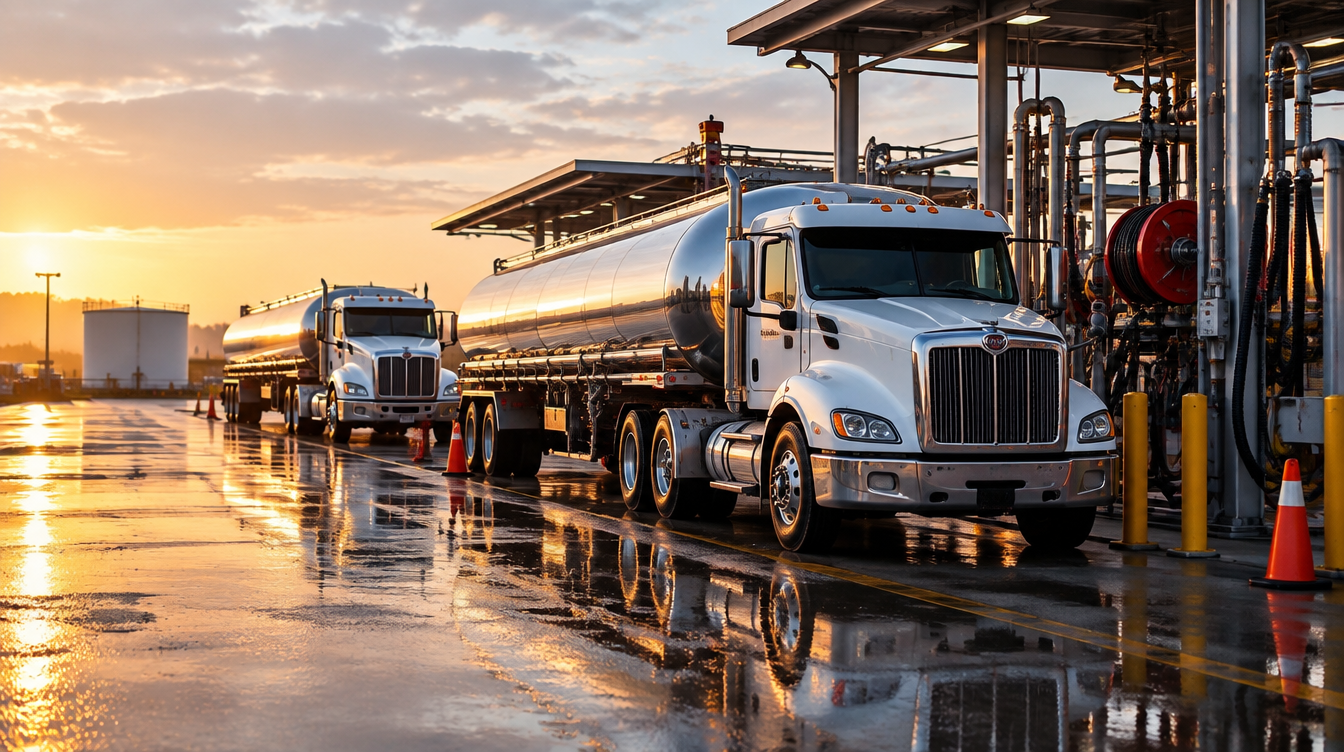
When a regional petroleum carrier lands on a ransomware leak-site tracker, transportation and fuel-logistics SMBs feel the same pressure—email, dispatch and ELD systems, customer portals, driver devices, and the vendor remote-access paths that keep loads moving from terminal to delivery. Public aggregators indexed Pacific Tank Lines as a claimed victim of the Akira ransomware group around October 2, 2026.
Ransomware.live lists discovery around 2026-10-02 14:24 UTC (attackdate ~2026-10-02 00:00 UTC; country US; activity Transportation). Company context aligns with pacifictanklines.com (HTTP 200 at publish research; page title “Pacific Tank Lines”): a U.S. full-service petroleum carrier with operations tied to Southern California markets including the Long Beach / Huntington Beach corridor and related terminals. Tracker blurbs describe the firm’s petroleum cargo focus and, on the actor side, allege a future upload and employee/client data inventory—we treat those actor statements as unverified leak-site allegations, not confirmed facts. As of our sources, we have no confirmed company disclosure of encryption scope, employee or customer data theft inventory, dispatch or terminal downtime, or ransom payment—so we treat the Akira listing as a leak-site / tracker claim only. Do not treat a tracker or actor blurb as a verified inventory of stolen IDs, financials, or credentials.
For petroleum carriers, trucking and logistics fleets, hazmat and tank operators, and adjacent transportation SMBs across Georgia, Tennessee, Alabama, and New York, the useful lesson is identity hygiene plus immutable dispatch and office backups—not inventing a confirmed breach the named organization has not published.
What trackers report—and what they do not
Public facts from aggregators: Pacific Tank Lines; Akira claim; discovery ~Oct. 2, 2026; U.S. transportation listing tied to pacifictanklines.com. Aggregators republish the actor listing; they do not equal a verified inventory of stolen driver files, customer lists, financials, or email archives. Actor text may allege volume or categories of data—we do not have a company-confirmed encryption event, confirmed data-theft inventory, operational downtime, or payment. Do not invent those details from silence—and do not treat a tracker “Transportation” tag as proof of a specific data type stolen.
Transportation and fuel-logistics SMBs share a familiar pattern: Microsoft 365 or Google Workspace next to TMS/dispatch, ELD and mobile apps, customer portals, and remote access for managed IT, broker, or compliance vendors that becomes painful the moment a headline hits the inbox.
Why Brotherly-footprint transportation & petroleum logistics SMBs should treat this as their drill
Load windows and delivery SLAs do not pause for a tracker post. Organizations that lean on password-only email, untested dispatch backups, and flat vendor remote access inherit the headline as scam and continuity risk—even when your yards are in Rome, Northwest Georgia, metro Atlanta, Chattanooga, Birmingham, Auburn/Opelika, or Wallkill, NY, and the claimed victim is a Southern California petroleum carrier.
Post-headline phishing is predictable: spoofed “IT recovery,” “dispatch portal,” “Akira claim,” or “driver credential reset” messages referencing Pacific Tank Lines. Ask: if email or the TMS were degraded for a week, how would you still pull active load lists offline, confirm customer contacts, and spot fake recovery calls?
Owners and ops managers in Brotherly’s footprint should also map who can approve emergency vendor access and who holds offline copies of active customer indexes and terminal contacts. A short written continuity card—who to call, which portal is authoritative, where the last known-good backup lives—beats improvising under a spoofed “Akira recovery” email.
Clear takeaway
Treat the Akira leak-site claim against Pacific Tank Lines as a continuity and scam-hygiene drill for transportation and petroleum-logistics SMBs in Brotherly’s footprint—require MFA on email, VPN, dispatch/TMS, and admin portals; protect customer, driver, and shared-drive stores with immutable copies and a restore test; inventory managed-IT and broker/vendor remote access; segment operational systems from general office identity where practical; and brief staff against post-headline phishing—without inventing employee or customer data theft, encryption, downtime, or payment the carrier has not confirmed.
Actions to take this week
- Require MFA on email (Microsoft 365 / Google Workspace), VPN, admin portals, TMS/dispatch, and customer portals—password-only access remains the cheapest path onto a lean transportation network.
- Verify immutable backups of dispatch/TMS data, shared drives, customer and driver indexes, and critical office systems—and run a restore test this month.
- Inventory vendor remote access (managed IT, ELD/TMS vendors, brokers, compliance partners, temp contractors): unique accounts, MFA, time-bounded sessions, and a revoke path.
- Segment operational dispatch systems from general office identity where practical—a compromised front-desk mailbox should not equal full access to active load boards.
- Brief staff on post-headline phishing: unexpected links about “the Akira claim,” secrecy demands, or urgent wire/file-share requests are red flags; verify via a known phone number, not the email thread.
Brotherly Technology helps transportation, logistics, industrial, and project-driven SMBs across Rome, Northwest Georgia, metro Atlanta, and our TN/AL/NY (Wallkill) footprint turn industry cyber headlines into a short continuity review—without inventing threat details a named organization has not confirmed. The Akira claim against Pacific Tank Lines, as indexed by ransomware.live and contextualized via pacifictanklines.com, is a timely reminder to run that drill now.
Sources:
- Ransomware.live — Pacific Tank Lines / Akira — Discovery ~2026-10-02 14:24 UTC; attackdate ~2026-10-02 00:00 UTC; U.S. transportation listing; claim-level only.
- Pacific Tank Lines (pacifictanklines.com) — Company context: U.S. petroleum carrier; no incident acknowledgment cited here.